Gallbladder Surgery (Cholecystectomy)
Gallbladder surgery or Cholecystectomy is a procedure performed to remove the gallbladder in patients with gallstones, inflammation, or functional problems of this organ. The surgery is often performed laparoscopically to reduce pain, prevent complications, and improve the patient's quality of life.
What is Gallbladder Surgery (Cholecystectomy)?
Gallbladder surgery or Cholecystectomy is one of the common gastrointestinal surgeries in which the gallbladder is removed from the body.
The gallbladder is a small organ located beneath the liver that stores and concentrates bile. Bile is a fluid that helps the body digest fats.
If the gallbladder develops problems such as gallstones, inflammation, or functional disorders, the doctor may recommend removing it as the most appropriate treatment option.
When is Gallbladder Surgery Performed?
Gallbladder surgery is usually recommended in the following conditions:
Gallstones
Gallstones are hard deposits that form due to the accumulation of substances found in bile.
These stones may cause:
Severe pain in the upper abdomen
Nausea and vomiting
Digestive problems
Gallbladder inflammation
Gallbladder Inflammation (Cholecystitis)
Gallbladder inflammation usually occurs when gallstones block the bile drainage pathway. This condition can cause severe pain, fever, and infection.
Gallbladder Functional Disorders
In some individuals, the gallbladder may not function properly even without the presence of stones, leading to recurring pain and digestive problems.
Types of Gallbladder Surgery
Laparoscopic Cholecystectomy
Today, most gallbladder surgeries are performed using the laparoscopic method.
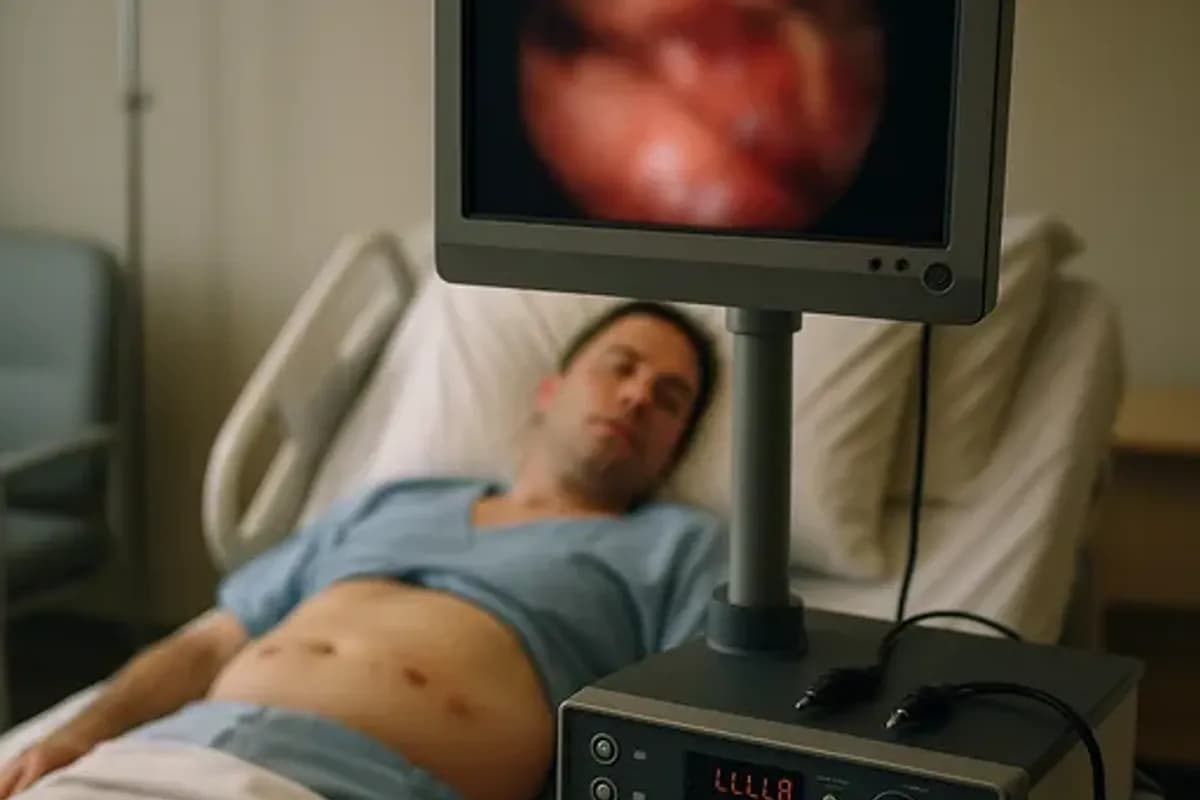
In this procedure, the doctor removes the gallbladder through several small incisions using a specialized camera.
Benefits of this method include:
Less pain after surgery
Smaller scars
Shorter recovery period
Faster return to daily activities
Open Gallbladder Surgery
In some specific situations, open surgery may be required.
In this method, the doctor creates a larger incision in the abdominal area to access and remove the gallbladder.
This approach may be used in complex cases, severe inflammation, or certain medical conditions.
How is Laparoscopic Gallbladder Surgery Performed?
First, the patient is placed under general anesthesia.
Then, several small incisions are made in the abdomen, and the laparoscope camera and surgical instruments are inserted through these openings.
The surgeon removes the gallbladder from its position while viewing detailed images on a monitor. After the procedure is completed, the small incisions are closed.
Benefits of Laparoscopic Gallbladder Surgery
Minimally invasive procedure
Reduced postoperative pain
Less bleeding
Smaller scars
Shorter hospital stay
Faster return to normal life
Fewer complications compared to open surgery
Who is a Good Candidate for Gallbladder Surgery?
People with the following conditions may require this surgery:
Symptomatic gallstones
Recurrent gallbladder inflammation
Severe and repeated abdominal pain
Blockage of the bile duct
Severe gallbladder functional problems
The final decision to perform surgery is made after evaluating symptoms, medical tests, and imaging results by a specialist doctor.
Recovery Period After Gallbladder Surgery
Recovery after laparoscopic surgery is usually shorter compared to open surgery.
After the operation, the patient may experience mild pain, bloating, or discomfort, which usually improves gradually over time.
Following a proper diet, taking prescribed medications, and following the doctor's instructions can help achieve faster recovery.
Is It Possible to Live Without a Gallbladder?
Yes, most people can live a normal life after gallbladder removal.
After the gallbladder is removed, bile continues to be produced by the liver and flows directly into the intestine to help digest food.
Some people may experience minor digestive changes during the first few months, which usually improve over time.
Conclusion
Gallbladder surgery or Cholecystectomy is an effective treatment method for conditions such as gallstones and recurrent gallbladder inflammation.
Today, most gallbladder surgeries are performed laparoscopically, which provides better outcomes for patients due to smaller incisions, less pain, and a shorter recovery period.
Choosing an experienced specialist, accurate diagnosis, and selecting the appropriate treatment method play an important role in achieving safe and successful results.
please Login to leave a comment
Add Your Comment
Reviews