Laparoscopic Surgery (Hernia, Hip, Disc, and Other Procedures)
Laparoscopic surgery is a minimally invasive surgical technique performed through small incisions using a specialized camera and surgical instruments. It is used in various procedures such as hernia repair and other conditions, helping reduce pain and shorten recovery time.
What is Laparoscopic Surgery?
Laparoscopic Surgery is one of the advanced minimally invasive surgical techniques that is performed through several small incisions instead of creating large surgical cuts.
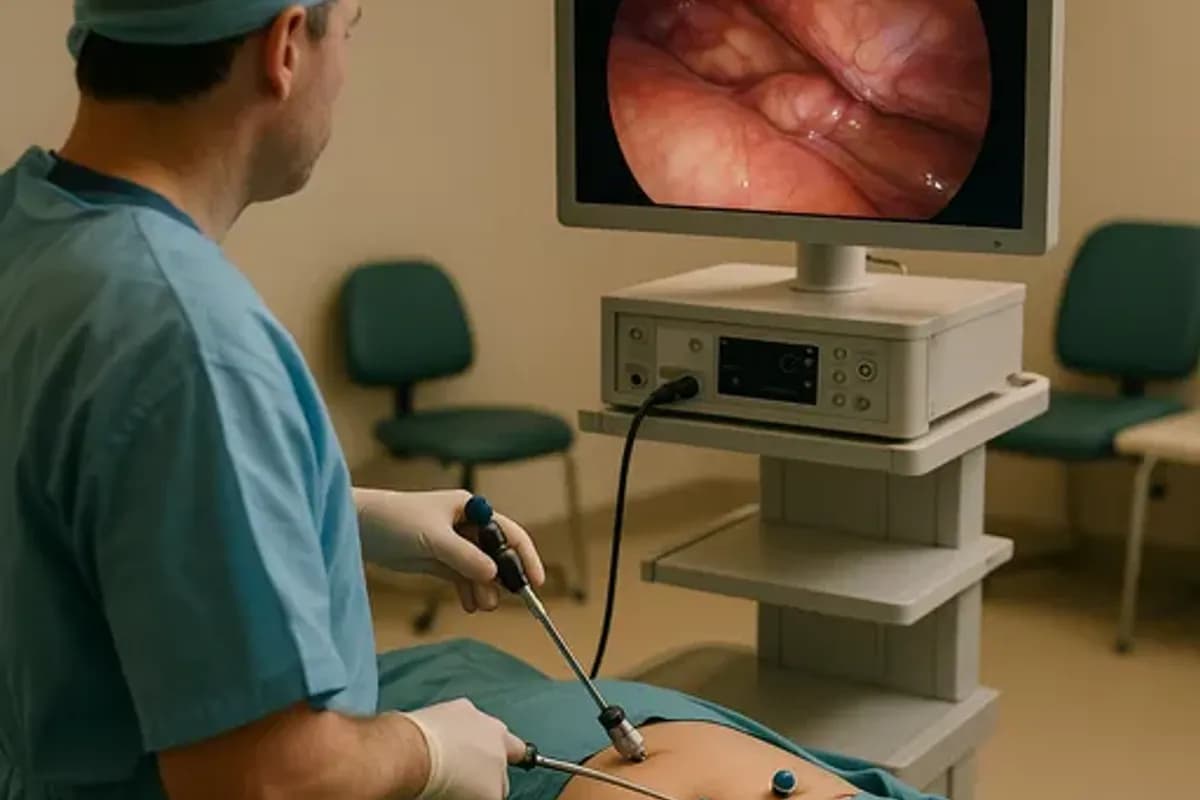
In this method, the doctor uses a small camera called a laparoscope, which is inserted into the body to provide a clear and magnified view of the targeted area. The surgery is then performed using specialized and precise surgical instruments.
This technique helps reduce damage to surrounding tissues, decrease postoperative pain, and improve the patient's recovery process.
Applications of Laparoscopic Surgery
Laparoscopy is used in many surgical procedures, including:
Hernia Surgery
For treating certain types of hernias, especially abdominal and groin hernias, laparoscopy can help repair the affected area through small incisions.
Benefits include:
Less pain after surgery
Faster return to daily activities
Smaller scars
Abdominal Surgeries
Laparoscopic surgery is used in some abdominal procedures such as:
Gallbladder surgery
Appendectomy
Some intestinal problems
Certain bariatric surgeries
Spine and Disc Problems
In some specific cases, minimally invasive techniques can be used to treat certain spinal and disc-related conditions.
The goal of these procedures is to reduce pressure on nerves, relieve pain, and minimize damage to surrounding tissues.
How is Laparoscopic Surgery Performed?
First, the patient is placed under general anesthesia or an appropriate condition based on the doctor's assessment.
Then, several small incisions are made in the skin, and the laparoscope camera and surgical instruments are inserted through these openings.
The surgeon performs the procedure with high precision while viewing detailed images on a monitor. After completing the surgery, the instruments are removed and the small incisions are closed.
Benefits of Laparoscopic Surgery
Smaller incisions compared to open surgery
Less postoperative pain
Reduced bleeding
Lower risk of wound infection
Shorter recovery period
Faster return to daily activities
Better cosmetic results due to smaller scars
Difference Between Laparoscopic Surgery and Open Surgery
Open Surgery:
In open surgery, the doctor creates a larger incision to access the treatment area. This method is still used in some complex or emergency situations.
Laparoscopic Surgery:
In laparoscopic surgery, the procedure is performed through small incisions using a camera and specialized instruments, which usually causes less damage to surrounding tissues.
Choosing the appropriate method depends on the type of disease, the patient's condition, and the specialist doctor's diagnosis.
Who is a Good Candidate for Laparoscopic Surgery?
People with the following conditions may be suitable candidates for this procedure:
Need for hernia treatment or certain abdominal surgeries
Preference for minimally invasive surgical methods
Good general health for undergoing surgery
No medical condition requiring open surgery
After a complete evaluation, the doctor determines the most suitable treatment approach.
Recovery Period After Laparoscopic Surgery
One of the main advantages of laparoscopy is the shorter recovery period compared with open surgery.
After the procedure, some patients may experience mild pain, bloating, swelling, or discomfort, which usually improves gradually over time.
Following the doctor's instructions, caring for the surgical site, and gradually returning to normal activities play an important role in achieving better recovery.
Will the Results of Laparoscopic Surgery Be Successful and Natural?
When this procedure is performed by a specialist doctor and the patient is appropriately selected, it can provide successful and satisfactory results.
The goal of laparoscopic surgery is to treat the underlying problem with minimal damage to the body, reduce complications, and help the patient return to normal daily life more quickly.
Conclusion
Laparoscopic surgery is one of the modern minimally invasive techniques used in medicine for treating various conditions such as hernias, abdominal problems, and some spinal disorders.
Less pain, smaller incisions, faster recovery, and better cosmetic outcomes are among the most important advantages of this method.
Choosing an experienced specialist and carefully evaluating the patient's condition play an important role in achieving safe and successful results.
please Login to leave a comment
Add Your Comment
Reviews